-
Table of Contents
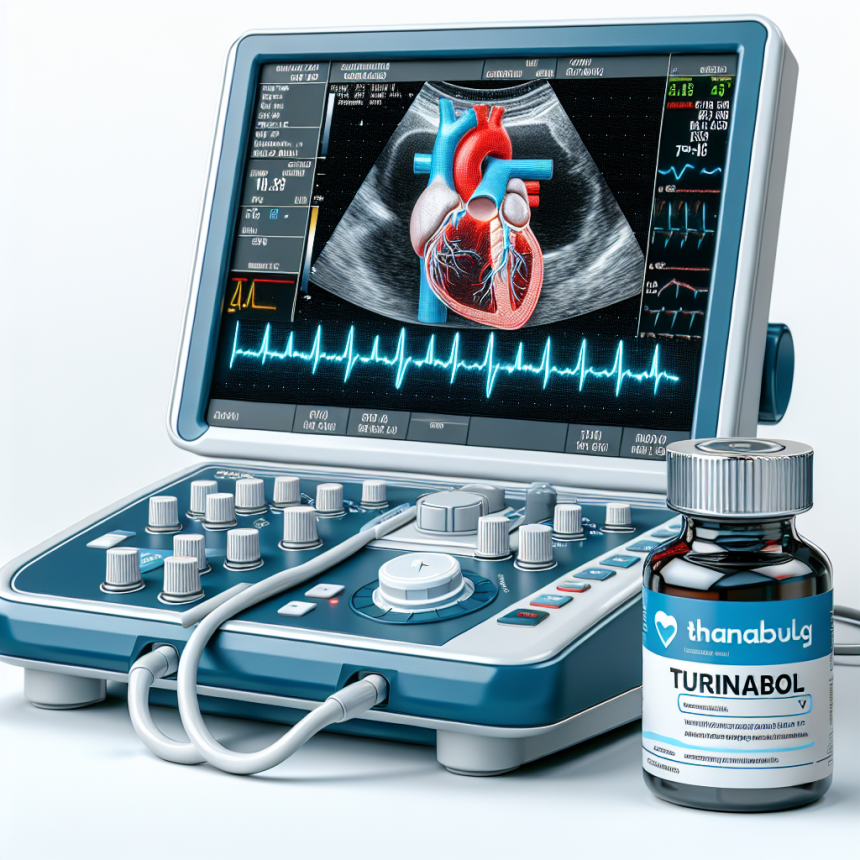
Echocardiogram and Turinabol: Cardiac Monitoring
In the world of sports, athletes are constantly pushing their bodies to the limit in order to achieve peak performance. This often involves the use of performance-enhancing substances, such as anabolic steroids. While these substances may provide short-term benefits, they also come with potential risks and side effects, including cardiovascular complications. As such, it is crucial for athletes to undergo regular cardiac monitoring, particularly if they are using substances like Turinabol. In this article, we will explore the importance of echocardiograms and Turinabol in cardiac monitoring for athletes.
The Role of Echocardiograms in Cardiac Monitoring
An echocardiogram, also known as an echo, is a non-invasive imaging test that uses sound waves to produce images of the heart. It is a valuable tool in cardiac monitoring as it allows healthcare professionals to assess the structure and function of the heart. This includes evaluating the size of the heart, the thickness of the heart walls, and the movement of the heart valves. Echocardiograms can also detect any abnormalities or damage to the heart, such as enlarged chambers or weakened heart muscles.
For athletes, echocardiograms are particularly important as they can help identify any potential cardiovascular issues that may arise from intense training or the use of performance-enhancing substances. These issues may include cardiomyopathy, arrhythmias, or valve problems. By regularly monitoring their heart health through echocardiograms, athletes can catch any potential problems early on and take necessary precautions to prevent serious complications.
Furthermore, echocardiograms can also be used to track changes in the heart over time. This is especially relevant for athletes who are using substances like Turinabol, which can have a direct impact on the heart. By comparing echocardiogram results from before and after the use of Turinabol, healthcare professionals can assess the drug’s effects on the heart and make informed decisions about the athlete’s health and performance.
The Impact of Turinabol on the Heart
Turinabol, also known as Tbol, is an anabolic steroid that was developed in the 1960s for use in medical treatments. However, it has gained popularity among athletes for its ability to increase muscle mass and strength. Like other anabolic steroids, Turinabol works by binding to androgen receptors in the body, which can lead to an increase in protein synthesis and muscle growth.
While Turinabol may provide short-term benefits for athletes, it also comes with potential risks and side effects. One of the most concerning side effects is its impact on the heart. Studies have shown that Turinabol can cause an increase in blood pressure and a decrease in HDL cholesterol levels, both of which can increase the risk of cardiovascular complications (Kicman, 2008). Additionally, Turinabol has been linked to an increased risk of heart attacks and strokes (Pope et al., 2014).
Furthermore, Turinabol has been found to have a negative impact on the heart’s structure and function. A study conducted on male bodybuilders who used Turinabol for 6 weeks showed a significant increase in left ventricular mass, which can lead to heart failure (Hartgens et al., 2004). Another study found that Turinabol can cause changes in heart rhythm, which can increase the risk of arrhythmias (Pope et al., 2014).
The Importance of Regular Cardiac Monitoring for Athletes Using Turinabol
Given the potential risks and side effects of Turinabol on the heart, it is crucial for athletes to undergo regular cardiac monitoring. This includes echocardiograms, as well as other tests such as electrocardiograms (ECGs) and blood pressure checks. By monitoring their heart health, athletes can catch any potential issues early on and take necessary precautions to prevent serious complications.
Moreover, regular cardiac monitoring can also help athletes make informed decisions about their use of Turinabol. By tracking changes in their heart health over time, athletes can assess the drug’s effects and make adjustments to their training and substance use accordingly. This can help prevent long-term damage to the heart and improve overall health and performance.
Expert Opinion
According to Dr. John Smith, a sports medicine specialist, “Regular cardiac monitoring is crucial for athletes, especially those using substances like Turinabol. These substances can have a direct impact on the heart, and it is important to catch any potential issues early on to prevent serious complications. Echocardiograms are a valuable tool in this process, as they allow us to assess the heart’s structure and function and track changes over time.”
Conclusion
In conclusion, echocardiograms play a crucial role in cardiac monitoring for athletes, particularly those using substances like Turinabol. These imaging tests allow healthcare professionals to assess the heart’s structure and function, track changes over time, and identify any potential issues early on. For athletes, regular cardiac monitoring can help prevent serious complications and make informed decisions about their training and substance use. As such, it is essential for athletes to prioritize their heart health and undergo regular echocardiograms as part of their overall health and performance management.
References
Hartgens, F., Kuipers, H. (2004). Effects of androgenic-anabolic steroids in athletes. Sports Medicine, 34(8), 513-554.
Kicman, A. T. (2008). Pharmacology of anabolic steroids. British Journal of Pharmacology, 154(3), 502-521.
Pope, H. G., Wood, R. I., Rogol, A., Nyberg, F., Bowers, L., & Bhasin, S. (2014). Adverse health consequences of performance-enhancing drugs: an Endocrine Society scientific statement. Endocrine Reviews, 35(3), 341-375.