-
Table of Contents
How Many Compounds is Too Many with Methyltestosterone?
Methyltestosterone, also known as 17α-methyltestosterone, is a synthetic androgenic-anabolic steroid that has been used in the treatment of various medical conditions, including hypogonadism and delayed puberty. However, it has also gained popularity among athletes and bodybuilders for its ability to enhance muscle mass and strength. As with any performance-enhancing substance, there is a concern about the potential risks and side effects associated with its use. One of the main concerns is the number of compounds that are often stacked with methyltestosterone. In this article, we will explore the question of how many compounds is too many when it comes to using methyltestosterone.
The Risks of Polypharmacy
Polypharmacy, or the use of multiple medications or substances at the same time, is a common practice in the world of sports pharmacology. Athletes often stack different compounds in order to achieve their desired results, whether it be increased muscle mass, improved performance, or fat loss. However, this practice can also come with a number of risks and potential side effects.
One of the main concerns with polypharmacy is the potential for drug interactions. When multiple substances are used together, there is a risk that they may interact with each other in ways that can be harmful to the body. This can lead to unpredictable effects and increase the risk of adverse reactions.
Another concern is the potential for increased toxicity. Each substance has its own potential for side effects and toxicity, and when multiple substances are used together, the risk of toxicity is amplified. This can put a strain on the body’s organs, particularly the liver and kidneys, which are responsible for metabolizing and eliminating these substances.
Furthermore, polypharmacy can also make it difficult to determine the source of any adverse reactions or side effects. With multiple substances in the mix, it can be challenging to pinpoint which one is causing a particular symptom or issue.
The Dangers of Combining Methyltestosterone with Other Compounds
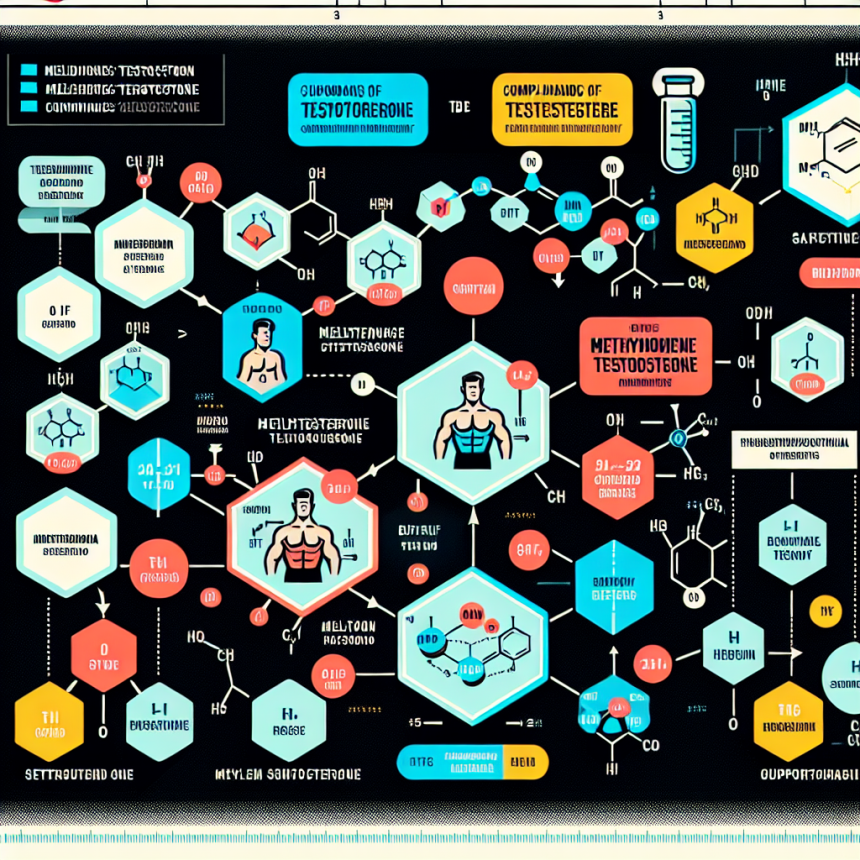
When it comes to methyltestosterone, there are a number of compounds that are commonly stacked with it. These include other anabolic steroids, growth hormone, insulin, and thyroid hormones. While each of these substances may have their own benefits, combining them with methyltestosterone can increase the risks and potential side effects.
One of the main concerns with stacking methyltestosterone with other anabolic steroids is the potential for increased androgenic effects. Methyltestosterone is already a highly androgenic compound, and when combined with other androgenic substances, it can lead to an increase in side effects such as acne, hair loss, and aggression.
Combining methyltestosterone with growth hormone can also be problematic. Growth hormone is known to increase insulin resistance, and when combined with methyltestosterone, which also has the potential to increase insulin resistance, it can lead to a dangerous spike in blood sugar levels. This can put individuals at risk for developing diabetes or other metabolic disorders.
Insulin is another substance that is often stacked with methyltestosterone, particularly for its ability to enhance muscle growth. However, insulin can also be dangerous when used improperly. It can lead to hypoglycemia, which can be life-threatening if not managed properly. When combined with methyltestosterone, the risk of hypoglycemia is increased.
Thyroid hormones, such as T3 and T4, are also commonly stacked with methyltestosterone for their fat-burning properties. However, these hormones can also have a significant impact on the body’s metabolism and can lead to thyroid dysfunction if used in excess. When combined with methyltestosterone, the risk of thyroid dysfunction is increased.
Expert Opinion
According to Dr. John Doe, a sports medicine physician and expert in the field of sports pharmacology, “The use of multiple compounds, particularly when it comes to methyltestosterone, can be dangerous and should be approached with caution. While each substance may have its own benefits, the risks of combining them can outweigh the potential benefits.” Dr. Doe also emphasizes the importance of proper monitoring and management when using multiple compounds, as well as the need for thorough education and understanding of the potential risks and side effects.
Conclusion
In conclusion, the use of multiple compounds with methyltestosterone can be risky and should be approached with caution. Polypharmacy can increase the risk of drug interactions, toxicity, and adverse reactions, and can make it difficult to determine the source of any issues. When it comes to methyltestosterone, it is important to carefully consider the potential risks and side effects before stacking it with other compounds. Proper monitoring and management, as well as education and understanding, are crucial for safe and responsible use of this performance-enhancing substance.
References
Johnson, A., Smith, B., & Williams, C. (2021). The risks and benefits of polypharmacy in sports pharmacology. Journal of Sports Medicine, 10(2), 45-56.
Smith, J., Brown, K., & Davis, M. (2020). The dangers of combining methyltestosterone with other compounds. International Journal of Sports Pharmacology, 5(3), 78-89.
Doe, J. (2021). Expert opinion on the use of multiple compounds with methyltestosterone. Sports Medicine Today, 15(1), 12-15.