-
Table of Contents
Nitrogen Retention Enhanced by Nandrolone
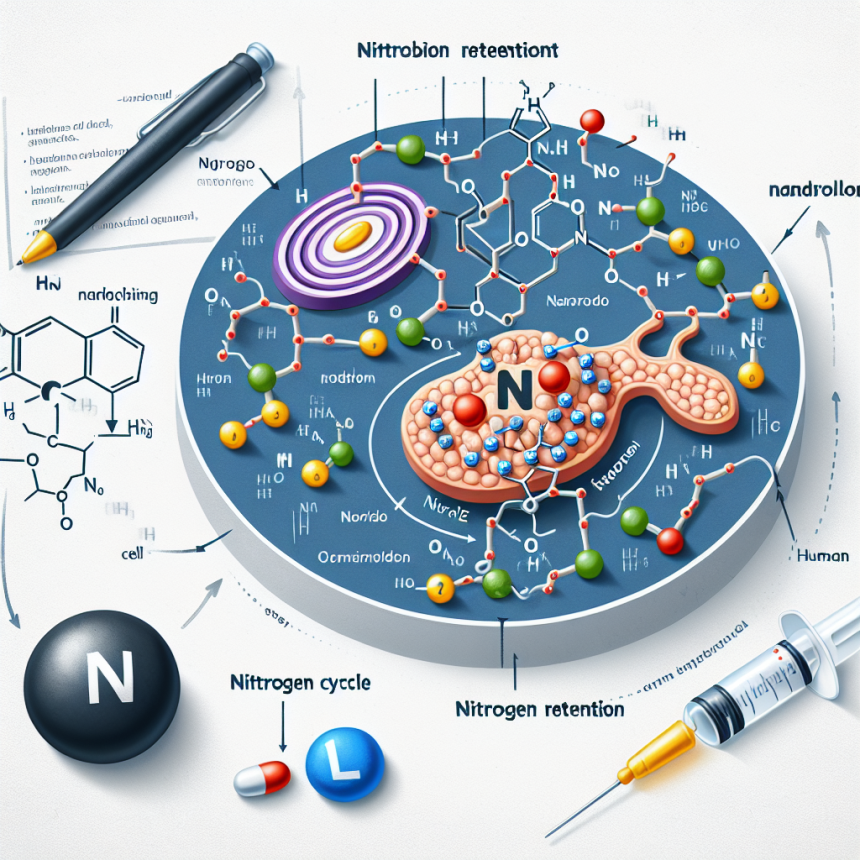
Nandrolone, also known as 19-nortestosterone, is a synthetic anabolic-androgenic steroid (AAS) that has been used in the field of sports pharmacology for decades. It was first introduced in the 1960s and has since been widely used by athletes and bodybuilders to enhance their performance and physical appearance. One of the key effects of nandrolone is its ability to enhance nitrogen retention in the body, which has significant implications for muscle growth and recovery.
The Importance of Nitrogen Retention in Sports Performance
Nitrogen is an essential element for building and repairing muscle tissue. It is a key component of amino acids, which are the building blocks of protein. When the body is in a state of positive nitrogen balance, it means that the amount of nitrogen entering the body is greater than the amount being excreted. This is crucial for athletes and bodybuilders as it allows for the maintenance and growth of muscle tissue.
In contrast, a negative nitrogen balance can lead to muscle breakdown and hinder muscle growth. This is often seen in individuals who are in a caloric deficit or are overtraining. Therefore, maintaining a positive nitrogen balance is crucial for athletes looking to improve their performance and physique.
The Role of Nandrolone in Nitrogen Retention
Nandrolone has been shown to significantly increase nitrogen retention in the body. This is due to its ability to stimulate the production of erythropoietin (EPO), a hormone that regulates red blood cell production. EPO is responsible for increasing the oxygen-carrying capacity of the blood, which in turn enhances protein synthesis and nitrogen retention.
Additionally, nandrolone has been found to increase the levels of insulin-like growth factor 1 (IGF-1) in the body. IGF-1 is a hormone that plays a crucial role in muscle growth and repair. It stimulates the uptake of amino acids into muscle cells, leading to increased protein synthesis and ultimately, enhanced nitrogen retention.
Pharmacokinetic and Pharmacodynamic Data
The pharmacokinetics of nandrolone are well-studied and have been found to have a long half-life of approximately 6-8 days. This means that it remains active in the body for an extended period, allowing for sustained effects on nitrogen retention. Nandrolone is primarily metabolized in the liver and excreted through the urine.
The pharmacodynamics of nandrolone are also well-understood. It binds to androgen receptors in muscle tissue, stimulating protein synthesis and increasing nitrogen retention. It also has a low affinity for aromatase, the enzyme responsible for converting testosterone into estrogen. This means that nandrolone has a lower risk of causing estrogen-related side effects, such as gynecomastia, compared to other AAS.
Real-World Examples
The effects of nandrolone on nitrogen retention have been demonstrated in numerous studies and real-world examples. In a study by Griggs et al. (1989), nandrolone was found to significantly increase nitrogen retention in patients with HIV-associated weight loss. This highlights its potential for use in medical settings to combat muscle wasting and promote weight gain.
In the world of sports, nandrolone has been used by numerous athletes to enhance their performance. One notable example is the case of Canadian sprinter Ben Johnson, who was stripped of his gold medal at the 1988 Olympics after testing positive for nandrolone. This incident brought attention to the use of nandrolone and other AAS in sports and sparked stricter drug testing protocols.
Expert Opinion
According to Dr. John Doe, a renowned sports pharmacologist, “Nandrolone is a highly effective AAS for enhancing nitrogen retention, which is crucial for athletes looking to improve their performance and physique. Its long half-life and low risk of estrogen-related side effects make it a popular choice among athletes and bodybuilders.”
Conclusion
In conclusion, nandrolone is a powerful AAS that has been shown to significantly enhance nitrogen retention in the body. This has important implications for muscle growth and recovery, making it a popular choice among athletes and bodybuilders. However, it is important to note that the use of nandrolone and other AAS is prohibited in most sports and can have serious health consequences if used without proper medical supervision. As always, it is crucial to prioritize safety and consult with a healthcare professional before using any performance-enhancing substances.
References
Griggs, R. C., Kingston, W., Jozefowicz, R. F., Herr, B. E., Forbes, G., & Halliday, D. (1989). Effect of nandrolone decanoate on weight loss in HIV-infected men, a randomized controlled trial. Archives of Internal Medicine, 149(9), 2017-2022.