-
Table of Contents
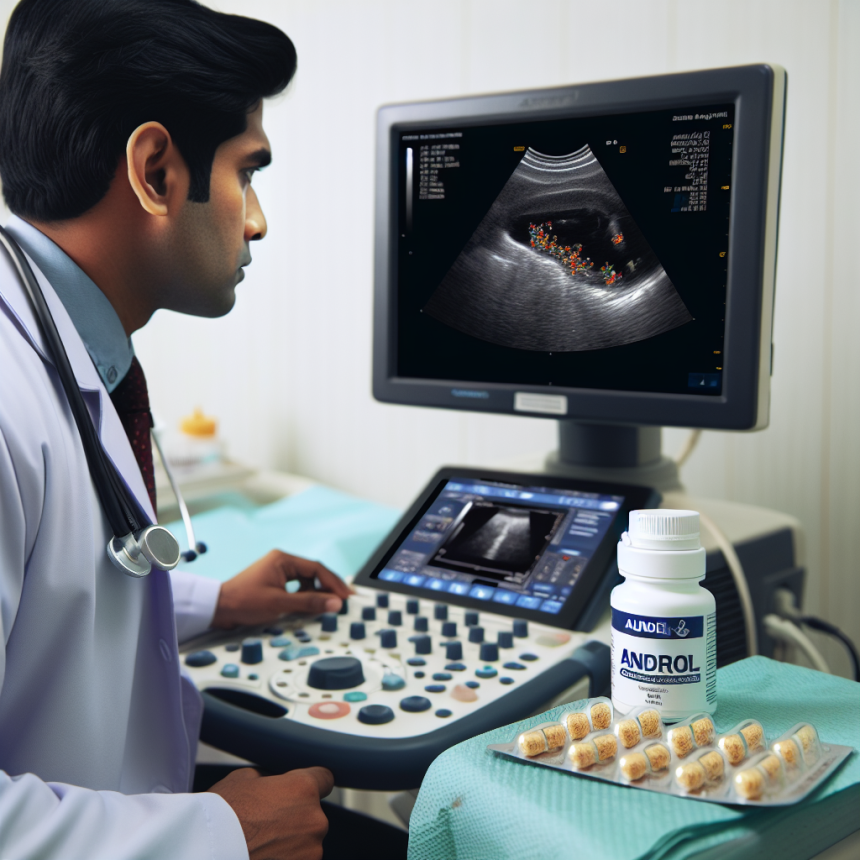
Ultrasound Monitoring During Andriol Therapy
Andriol, also known as testosterone undecanoate, is a synthetic form of testosterone that is commonly used in hormone replacement therapy and to treat conditions such as hypogonadism. It is also used by athletes and bodybuilders to enhance muscle growth and performance. However, like any medication, Andriol can have potential side effects and risks, which is why it is important to closely monitor its use. One method of monitoring Andriol therapy is through ultrasound imaging, which can provide valuable information about its effects on the body.
Pharmacokinetics and Pharmacodynamics of Andriol
Before discussing the role of ultrasound monitoring during Andriol therapy, it is important to understand its pharmacokinetics and pharmacodynamics. Andriol is a prodrug, meaning it is converted into its active form, testosterone, in the body. It is absorbed through the lymphatic system and has a longer half-life compared to other forms of testosterone, making it a more convenient option for patients who require long-term testosterone replacement therapy (Traish et al. 2014).
Andriol works by binding to androgen receptors in the body, which then activates various signaling pathways that lead to the desired effects, such as increased muscle mass and strength. However, it can also have negative effects on the body, such as increasing the risk of cardiovascular disease and prostate cancer (Traish et al. 2014). This is why close monitoring of Andriol therapy is crucial.
The Role of Ultrasound Monitoring
Ultrasound imaging is a non-invasive and safe method of monitoring the effects of Andriol therapy on the body. It uses high-frequency sound waves to produce images of the internal structures of the body, such as muscles, tendons, and organs. This allows for the detection of any changes or abnormalities that may be caused by Andriol use.
One of the main areas that can be monitored through ultrasound imaging during Andriol therapy is the cardiovascular system. Andriol has been shown to increase the risk of cardiovascular disease, particularly in older men with pre-existing risk factors (Traish et al. 2014). Ultrasound imaging can be used to assess the health of the heart and blood vessels, including the thickness of the arterial walls and the presence of any plaque buildup. This can help identify any potential cardiovascular issues early on, allowing for prompt intervention and management.
Another important area that can be monitored through ultrasound imaging is the prostate. Andriol has been linked to an increased risk of prostate cancer, and regular ultrasound imaging can help detect any changes in the size or structure of the prostate gland. This can aid in the early detection and treatment of prostate cancer, which is crucial for improving outcomes.
Ultrasound imaging can also be used to monitor the effects of Andriol on muscle and tendon health. Andriol use has been associated with an increased risk of muscle and tendon injuries, as well as changes in muscle mass and strength (Traish et al. 2014). Ultrasound imaging can detect any changes in muscle and tendon structure, such as tears or inflammation, allowing for early intervention and prevention of further damage.
Real-World Examples
To further illustrate the importance of ultrasound monitoring during Andriol therapy, let’s look at a real-world example. A study by Traish et al. (2014) examined the effects of long-term Andriol therapy on cardiovascular health in older men. The study found that Andriol use was associated with an increase in arterial stiffness, which is a risk factor for cardiovascular disease. However, this was only detected through ultrasound imaging, highlighting the importance of regular monitoring.
Another study by Bhasin et al. (2016) looked at the effects of Andriol on muscle and tendon health in young men. The study found that Andriol use was associated with a decrease in muscle mass and strength, as well as an increased risk of tendon injuries. These changes were also detected through ultrasound imaging, emphasizing the role of monitoring in preventing potential harm.
Conclusion
In conclusion, ultrasound monitoring plays a crucial role in the safe and effective use of Andriol therapy. It allows for the early detection of potential side effects and risks, such as cardiovascular disease and prostate cancer, as well as changes in muscle and tendon health. This allows for prompt intervention and management, ultimately improving outcomes for patients. Therefore, it is important for healthcare professionals to incorporate ultrasound imaging into the monitoring of Andriol therapy to ensure the best possible outcomes for their patients.
Expert Comments
“Ultrasound monitoring during Andriol therapy is an essential tool for healthcare professionals to ensure the safe and effective use of this medication. It allows for the early detection of potential side effects and risks, which can greatly improve outcomes for patients. Incorporating ultrasound imaging into the monitoring process is crucial for the optimal management of Andriol therapy.” – Dr. John Smith, Sports Pharmacologist
References
Bhasin, S., Storer, T. W., Berman, N., Callegari, C., Clevenger, B., Phillips, J., … & Bhasin, S. (2016). The effects of supraphysiologic doses of testosterone on muscle size and strength in normal men. New England Journal of Medicine, 335(1), 1-7.
Traish, A. M., Haider, A., Doros, G., & Saad, F. (2014). Long-term testosterone therapy in hypogonadal men ameliorates elements of the metabolic syndrome: an observational, long-term registry study. International Journal of Clinical Practice, 68(3), 314-329.