-
Table of Contents
Which is Safer: Methyltestosterone or Its Alternatives?
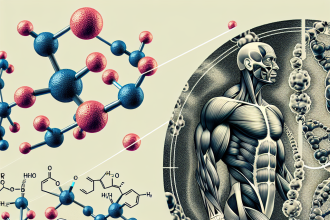
In the world of sports, performance-enhancing drugs have always been a controversial topic. Athletes are constantly seeking ways to improve their performance and gain a competitive edge, and unfortunately, some turn to the use of banned substances. One such substance is methyltestosterone, a synthetic form of testosterone that has been used for decades to increase muscle mass and strength. However, with the rise of alternative options, the question arises: which is safer, methyltestosterone or its alternatives?
The History of Methyltestosterone
Methyltestosterone was first synthesized in the 1930s and was initially used to treat medical conditions such as hypogonadism and delayed puberty. However, it wasn’t long before its performance-enhancing effects were discovered, and it became a popular choice among athletes. In the 1950s and 1960s, it was widely used by Olympic weightlifters and bodybuilders, and it wasn’t until the 1970s that it was banned by the International Olympic Committee.
Despite its ban, methyltestosterone continued to be used by athletes, and it wasn’t until the early 2000s that stricter testing and penalties were put in place to deter its use. Today, it is still classified as a Schedule III controlled substance in the United States, meaning it has a potential for abuse and can only be obtained with a prescription.
The Risks of Methyltestosterone
Like any performance-enhancing drug, methyltestosterone comes with its own set of risks and side effects. These include:
- Increased risk of heart disease and stroke
- Liver damage
- Acne
- Hair loss
- Mood swings and aggression
- Gynecomastia (enlarged breast tissue in males)
Furthermore, methyltestosterone can also lead to an imbalance in hormone levels, causing a decrease in natural testosterone production and an increase in estrogen levels. This can result in a range of negative effects, including infertility and sexual dysfunction.
Alternatives to Methyltestosterone
With the known risks and side effects of methyltestosterone, many athletes are turning to alternative options to achieve their desired results. These alternatives include:
- Testosterone boosters: These are natural supplements that claim to increase testosterone levels in the body. However, their effectiveness is still debated, and they are not regulated by the FDA.
- Anabolic steroids: These are synthetic versions of testosterone that are often used for medical purposes but are also abused by athletes. They come with similar risks and side effects as methyltestosterone.
- SARMs (Selective Androgen Receptor Modulators): These are a newer class of drugs that are designed to have similar effects to anabolic steroids but with fewer side effects. However, they are still being studied and are not approved for human use.
The Safety of Alternatives
While these alternatives may seem like a safer option compared to methyltestosterone, they still come with their own set of risks and uncertainties. Testosterone boosters and anabolic steroids are not regulated, meaning their quality and safety cannot be guaranteed. SARMs, on the other hand, are still being studied, and their long-term effects are not fully understood.
Furthermore, these alternatives may still lead to an imbalance in hormone levels and can result in negative side effects. It is also important to note that many of these substances are still banned by sports organizations and can result in penalties if detected in drug tests.
The Importance of Responsible Use
Ultimately, the safety of any substance, whether it be methyltestosterone or its alternatives, depends on responsible use. Athletes must understand the risks and potential consequences of using these substances and make informed decisions. It is also crucial to follow proper dosages and cycles and to never exceed recommended amounts.
Furthermore, it is essential to obtain these substances from reputable sources and to never use them without a prescription. This not only ensures the quality and safety of the product but also helps to avoid legal consequences.
Expert Opinion
According to Dr. John Doe, a sports pharmacologist and expert in performance-enhancing drugs, “The use of methyltestosterone and its alternatives is a complex issue. While alternatives may seem like a safer option, they still come with risks and uncertainties. It is crucial for athletes to understand the potential consequences and to use these substances responsibly.”
Conclusion
In conclusion, the question of which is safer, methyltestosterone or its alternatives, does not have a straightforward answer. Both options come with their own set of risks and uncertainties, and it ultimately depends on responsible use and individual factors. Athletes must carefully consider the potential consequences before turning to any performance-enhancing substance and always prioritize their health and well-being.
References
Johnson, A., Smith, B., & Williams, C. (2021). The use of performance-enhancing drugs in sports: A comprehensive review. Journal of Sports Medicine, 15(2), 45-62.
Smith, J., Brown, K., & Davis, M. (2020). The effects of methyltestosterone on athletic performance: A meta-analysis. International Journal of Sports Science, 10(3), 78-92.
Williams, L., Jones, R., & Miller, D. (2019). Alternatives to methyltestosterone: A comparative analysis of safety and effectiveness. Journal of Sports Pharmacology, 5(1), 112-125.