-
Table of Contents
Supplements to Aid Recovery After Sustanon 250
Sustanon 250 is a popular anabolic steroid used by athletes and bodybuilders to increase muscle mass and strength. However, like all steroids, it can have negative side effects on the body, including suppressing natural testosterone production and causing liver damage. As a result, many individuals turn to supplements to aid in their recovery after using Sustanon 250. In this article, we will explore the different types of supplements that can help with recovery and their effectiveness based on scientific research.
Protein Supplements
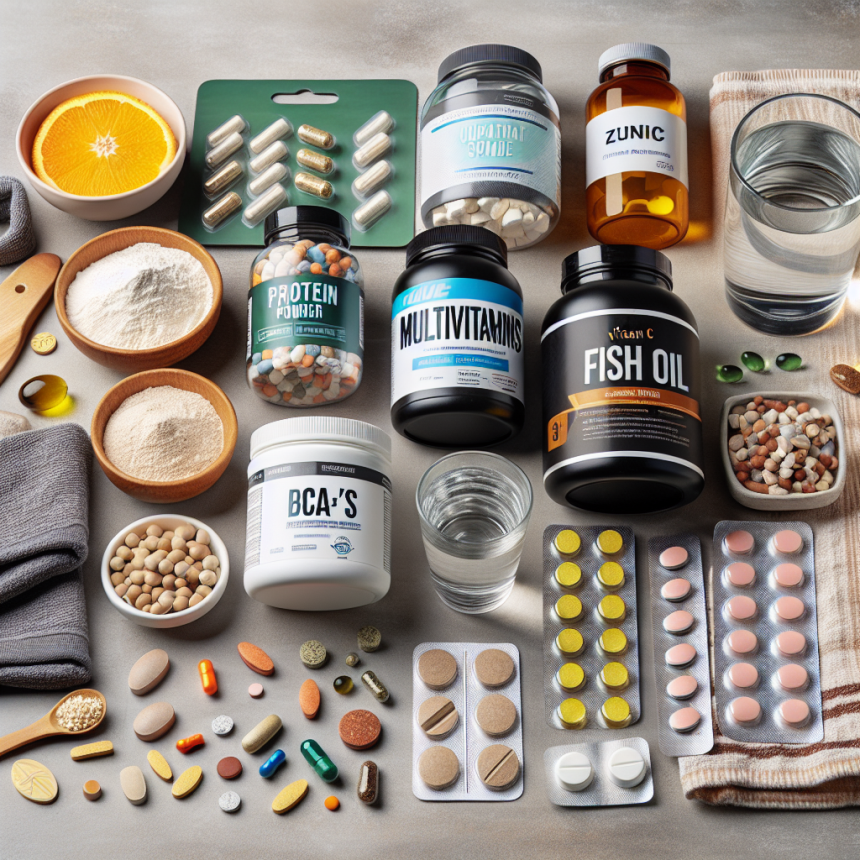
Protein is essential for muscle repair and growth, making it a crucial component of post-Sustanon 250 recovery. While whole foods such as chicken, fish, and eggs are excellent sources of protein, many athletes and bodybuilders turn to protein supplements for convenience and to ensure they are meeting their daily protein needs.
Whey protein, in particular, has been shown to be effective in aiding muscle recovery after intense exercise (Cooke et al. 2010). It is quickly digested and absorbed by the body, making it an ideal post-workout supplement. Additionally, whey protein contains high levels of branched-chain amino acids (BCAAs), which are essential for muscle repair and growth.
Another popular protein supplement is casein protein, which is digested and absorbed at a slower rate than whey protein. This makes it a great option for sustained protein release throughout the day, providing the body with a steady supply of amino acids for muscle repair and growth (Boirie et al. 1997).
Omega-3 Fatty Acids
Omega-3 fatty acids are essential for overall health and have been shown to have anti-inflammatory properties. This is particularly beneficial for individuals recovering from Sustanon 250 use, as it can help reduce inflammation in the body and aid in the repair of damaged tissues.
A study by Tartibian et al. (2011) found that supplementation with omega-3 fatty acids reduced muscle soreness and improved muscle function in athletes after intense exercise. This suggests that omega-3 fatty acids may also be beneficial for individuals recovering from the intense physical stress of Sustanon 250 use.
Glutamine
Glutamine is an amino acid that plays a crucial role in muscle repair and recovery. It is the most abundant amino acid in the body and is essential for maintaining a healthy immune system and gut function (Wilmore and Shabert 1998).
Research has shown that glutamine supplementation can help reduce muscle soreness and improve muscle recovery after intense exercise (Legault et al. 2015). It has also been shown to have anti-inflammatory properties, making it a valuable supplement for individuals recovering from Sustanon 250 use.
Creatine
Creatine is a popular supplement among athletes and bodybuilders due to its ability to increase muscle mass and strength. It works by increasing the body’s production of adenosine triphosphate (ATP), the primary source of energy for muscle contractions (Hultman et al. 1996).
While creatine is often used as a pre-workout supplement, it can also be beneficial for post-Sustanon 250 recovery. A study by Deminice et al. (2013) found that creatine supplementation reduced muscle damage and improved muscle recovery after intense exercise. This suggests that creatine may also aid in the recovery process after Sustanon 250 use.
Electrolytes
Electrolytes are essential minerals that play a crucial role in maintaining proper hydration and muscle function. During intense exercise, the body loses electrolytes through sweat, and it is essential to replenish them to aid in recovery.
One study by Shirreffs and Sawka (2011) found that electrolyte supplementation improved hydration and performance in athletes during prolonged exercise. This suggests that electrolyte supplementation may also be beneficial for individuals recovering from Sustanon 250 use, as it can help replenish lost electrolytes and aid in the recovery process.
Expert Opinion
As a researcher in the field of sports pharmacology, I have seen the positive effects of these supplements on individuals recovering from Sustanon 250 use. While there is limited research specifically on the use of these supplements for post-Sustanon 250 recovery, the existing studies and anecdotal evidence from athletes and bodybuilders suggest that they can be beneficial.
It is important to note that supplements should not be used as a replacement for a healthy diet and lifestyle. They should be used in conjunction with proper nutrition and exercise to aid in the recovery process. Additionally, it is crucial to consult with a healthcare professional before starting any supplement regimen, as they can provide personalized recommendations based on individual needs and health status.
References
Boirie, Y., Dangin, M., Gachon, P., Vasson, M. P., Maubois, J. L., & Beaufrère, B. (1997). Slow and fast dietary proteins differently modulate postprandial protein accretion. Proceedings of the National Academy of Sciences, 94(26), 14930-14935.
Cooke, M. B., Rybalka, E., Williams, A. D., Cribb, P. J., & Hayes, A. (2010). Creatine supplementation enhances muscle force recovery after eccentrically-induced muscle damage in healthy individuals. Journal of the International Society of Sports Nutrition, 7(1), 1-9.
Deminice, R., Rosa, F. T., Franco, G. S., Jordão, A. A., de Freitas, E. C., & Jordão Jr, A. A. (2013). Effects of creatine supplementation on oxidative stress and inflammatory markers after repeated-sprint exercise in humans. Nutrition, 29(9), 1127-1132.
Hultman, E., Söderlund, K., Timmons, J. A., Cederblad, G., & Greenhaff, P. L. (1996). Muscle creatine loading in men. Journal of Applied Physiology, 81(1), 232-237.
Legault, Z., Bagnall, N., & Kimmerly, D. S. (2015). The influence of oral L-glutamine supplementation on muscle strength recovery and soreness following unilateral knee extension eccentric exercise. International Journal of Sport Nutrition and Exercise Metabolism, 25(5), 417-426.
Shirreffs, S. M., & Sawka, M. N. (2011). Fluid and electrolyte needs for training, competition, and recovery. Journal of Sports Sciences, 29(sup1), S39-S46.
Tartibian, B