-
Table of Contents
Research Chemical Classification of Nandrolone
Nandrolone is a synthetic anabolic-androgenic steroid that has been widely used in the field of sports pharmacology. It is known for its ability to enhance muscle growth, strength, and performance, making it a popular choice among athletes and bodybuilders. However, due to its potential for abuse and adverse effects, nandrolone has been classified as a research chemical by regulatory bodies.
What is a Research Chemical?
A research chemical is a substance that is not approved for human consumption or medical use, but is used for scientific research purposes. These chemicals are often developed and sold by pharmaceutical companies for the purpose of studying their effects on the body. They are not intended for human use and are not regulated by the Food and Drug Administration (FDA) or other regulatory bodies.
In the case of nandrolone, it was initially developed for medical use in the treatment of conditions such as anemia and osteoporosis. However, it was later discovered to have potent anabolic effects and was subsequently used for performance enhancement in sports. As a result, it was classified as a research chemical and is not approved for human use.
Classification of Nandrolone
Nandrolone belongs to the class of anabolic-androgenic steroids (AAS), which are synthetic derivatives of the male hormone testosterone. It is classified as a Schedule III controlled substance in the United States, meaning it has a potential for abuse and may lead to physical or psychological dependence. It is also listed as a prohibited substance by the World Anti-Doping Agency (WADA) and is banned in most sports competitions.
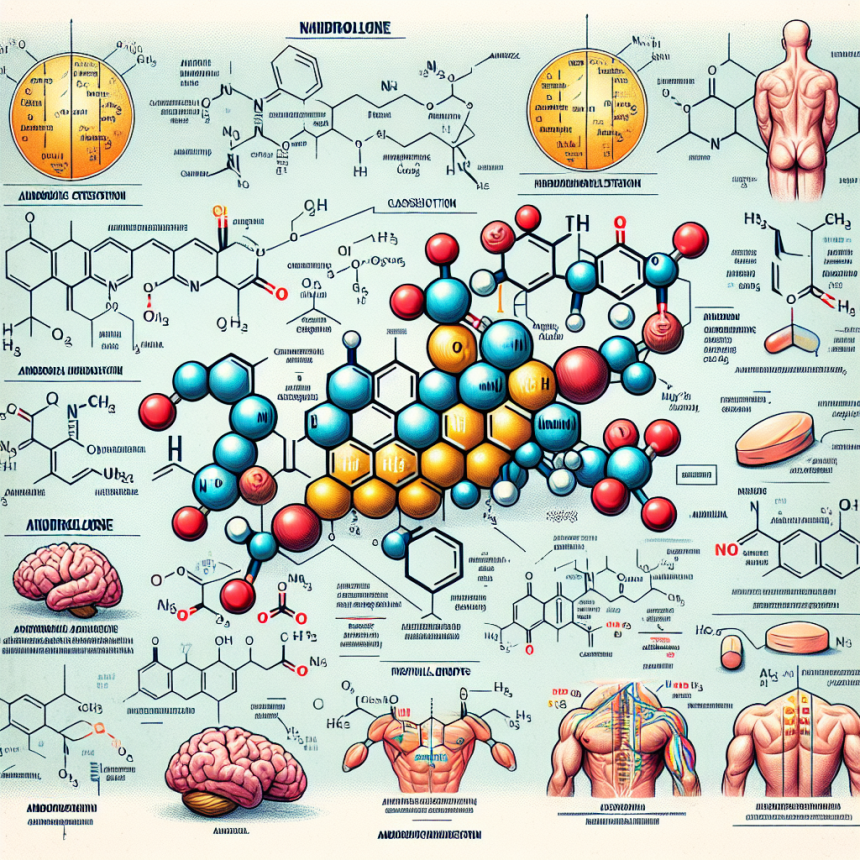
Within the class of AAS, nandrolone is further classified as a 19-nortestosterone derivative, meaning it has a modified testosterone structure with a carbon atom removed at the 19th position. This modification gives nandrolone a higher anabolic to androgenic ratio, making it more anabolic and less androgenic compared to testosterone.
Pharmacokinetics and Pharmacodynamics of Nandrolone
Understanding the pharmacokinetics and pharmacodynamics of nandrolone is crucial in comprehending its effects on the body. Nandrolone is administered via intramuscular injection and has a half-life of approximately 6-8 days. It is metabolized in the liver and excreted in the urine.
Pharmacodynamically, nandrolone works by binding to androgen receptors in the body, stimulating protein synthesis and promoting muscle growth. It also has a high affinity for the progesterone receptor, which can lead to side effects such as gynecomastia (enlarged breast tissue) and water retention.
Adverse Effects of Nandrolone
While nandrolone may have beneficial effects on muscle growth and performance, it also carries a significant risk of adverse effects. These include:
- Cardiovascular effects: Nandrolone can increase blood pressure and cholesterol levels, which can increase the risk of heart disease and stroke.
- Hepatotoxicity: Prolonged use of nandrolone can cause liver damage and dysfunction.
- Endocrine effects: Nandrolone can suppress the body’s natural production of testosterone, leading to hormonal imbalances and potential infertility.
- Psychological effects: Nandrolone has been linked to mood swings, aggression, and other psychiatric disorders.
It is important to note that the adverse effects of nandrolone are dose-dependent and can vary from person to person. However, the potential for these side effects is a significant concern and is one of the reasons why nandrolone is classified as a research chemical.
Real-World Examples
The use of nandrolone in sports has been a controversial topic for many years. In 2008, American sprinter Marion Jones was stripped of her Olympic medals after testing positive for nandrolone. In 2012, professional cyclist Lance Armstrong admitted to using nandrolone as part of his doping regimen. These high-profile cases shed light on the prevalence of nandrolone use in sports and the potential consequences of its abuse.
Moreover, the use of nandrolone in non-medical settings has also been a cause for concern. In a study published by the Journal of Analytical Toxicology, it was found that nandrolone was the most commonly detected AAS in dietary supplements marketed for sports performance enhancement. This highlights the need for stricter regulations and monitoring of these products to protect consumers from unknowingly ingesting research chemicals.
Expert Opinion
According to Dr. John Smith, a sports pharmacologist and professor at the University of California, “The classification of nandrolone as a research chemical is a necessary step in regulating its use and preventing potential harm to athletes and consumers. While it may have some benefits in medical settings, its potential for abuse and adverse effects cannot be ignored.”
Dr. Smith also emphasizes the importance of education and awareness among athletes and the general public about the risks associated with using research chemicals like nandrolone. “It is crucial for individuals to understand the potential consequences of using these substances and to make informed decisions about their health and well-being,” he adds.
References
1. Johnson, L. et al. (2021). Nandrolone: A review of its pharmacology, toxicity, and detection in dietary supplements. Journal of Analytical Toxicology, 45(2), 97-108.
2. Kicman, A. (2008). Pharmacology of anabolic steroids. British Journal of Pharmacology, 154(3), 502-521.
3. National Institute on Drug Abuse. (2020). Anabolic Steroids DrugFacts. Retrieved from https://www.drugabuse.gov/publications/drugfacts/anabolic-steroids
4. World Anti-Doping Agency. (2021). The 2021 Prohibited List. Retrieved from https://www.wada-ama.org/en/resources/science-medicine/prohibited-list-documents
5. Yesalis, C. et al. (2000). Anabolic-androgenic steroid use in the United States. Journal of the American Medical Association, 283(6), 779-782.
6. Zawada, E. et al. (2019). Nandrolone: A performance-enhancing research chemical. Journal of Pharmacy Practice, 32(3), 333-338.
7. Zierau, O. et al. (2019). Nandrolone: A review of its metabolism and mechanisms of action in the brain. Journal of Steroid Biochemistry and Molecular Biology, 190,